
Car Rental Industry in 2026: Prices Drop, Demand Shifts, and Technology Takes Over
Something interesting is happening in the car rental world right now, and it’s not as simple as “prices are going down” or “things are getting cheaper again.”
After a few years where travel demand came back faster than supply, the market is finally starting to settle — but unevenly. Some places feel noticeably cheaper, others still feel expensive depending on when and where you book.
Most travelers won’t notice a headline shift, but if you’ve rented a car recently, you’ve probably already felt it: pricing doesn’t behave the same way it did a couple of years ago.
Prices are starting to soften — but only in certain places
The first thing people notice is pricing.
In some major airport locations, rental prices are slowly becoming more competitive again, especially where multiple international suppliers operate side by side.
For example, travelers often report better availability and occasional deals at:
But this isn’t a uniform drop across the board. The same car can still vary wildly in price depending on:
- season
- pickup time
- supplier availability
- and even how early you book
So while some travelers are seeing lower prices, others are still experiencing high daily rates — sometimes on the same route, just different dates.
People are not renting differently — they’re renting more carefully
One quiet change is how people use rental cars.
Instead of long traditional bookings, travelers are becoming more selective:
- renting only for part of the trip
- combining public transport with short rentals
- avoiding unnecessary airport pickups when possible
It’s less about “renting more” and more about “renting smarter.”
Electric cars are visible, but not dominant
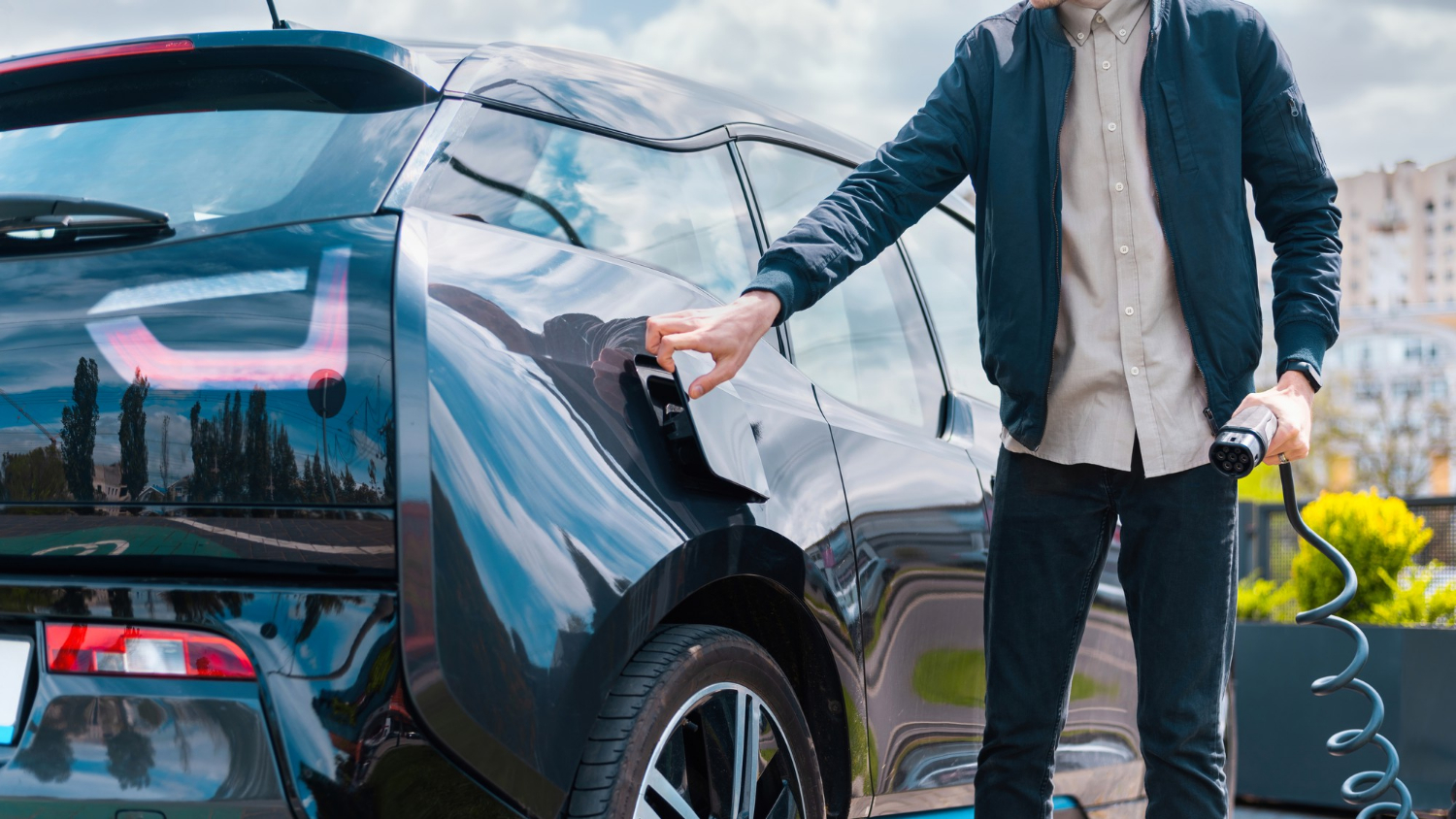
Electric vehicles are showing up more in rental fleets, especially at larger airports.
But in practice, most travelers still end up in petrol or diesel cars.
The reasons are simple:
- charging isn’t equally easy everywhere
- people don’t want range stress on holidays
- and not all destinations support EV travel comfortably yet
So while EV fleets are growing, they’re still part of the mix — not the replacement.
The biggest change isn’t cars — it’s the process
The real transformation is happening behind the scenes.
Car rental companies are slowly moving toward:
- less paperwork at the counter
- more digital check-ins
- faster identity verification
- automated pricing systems
At some airports, the experience already feels closer to self-service travel than traditional rental desks.
The industry isn’t shrinking — it’s reorganizing
Despite all the changes, demand for car rentals is still strong globally.
What’s changing is how that demand is distributed:
- more competition between providers
- more price variation by location
- and more dependence on digital booking platforms
It’s a more fragmented market than before, but not a weaker one.
Why pricing feels unpredictable now
If there’s one thing travelers notice, it’s inconsistency.
Two people can search the same route and see completely different prices depending on:
- timing
- demand spikes
- fleet availability at that moment
This is why airport location matters so much — competition is what keeps prices moving.
What this actually means for travelers
If you strip everything down, the situation is pretty simple:
- some airports are becoming more competitive again
- prices are fluctuating more than in past years
- and planning ahead matters more than ever
It’s not a “cheap vs expensive” market anymore — it’s a timing and location market.
Final thought
The car rental industry in 2026 doesn’t feel like it’s in a boom or a decline.
It feels like it’s adjusting.
Prices are no longer moving in one direction, technology is changing how rentals work, and travelers are slowly adapting to a more flexible system.
For anyone booking a car now, the biggest advantage isn’t luck — it’s knowing where and when the market actually works in your favor.